Cat Paw Care: Tips and Common Concerns
A cat paw does far more than look soft and quiet on the floor. Each cat paw acts as a shock absorber, balance tool, grooming aid, and built-in communication device. Cats rely on their paws to climb, hunt, stretch, and interact with their surroundings every single day. When something feels off with a cat paw, changes in movement, behavior, or comfort often show up quickly. Learning how cat paws function and what can go wrong helps pet owners recognize concerns early and seek timely veterinary care. This guide walks through paw anatomy, common issues, and practical care tips while helping you understand when it’s time to contact a professional.
Understanding the Anatomy of a Cat’s Paw
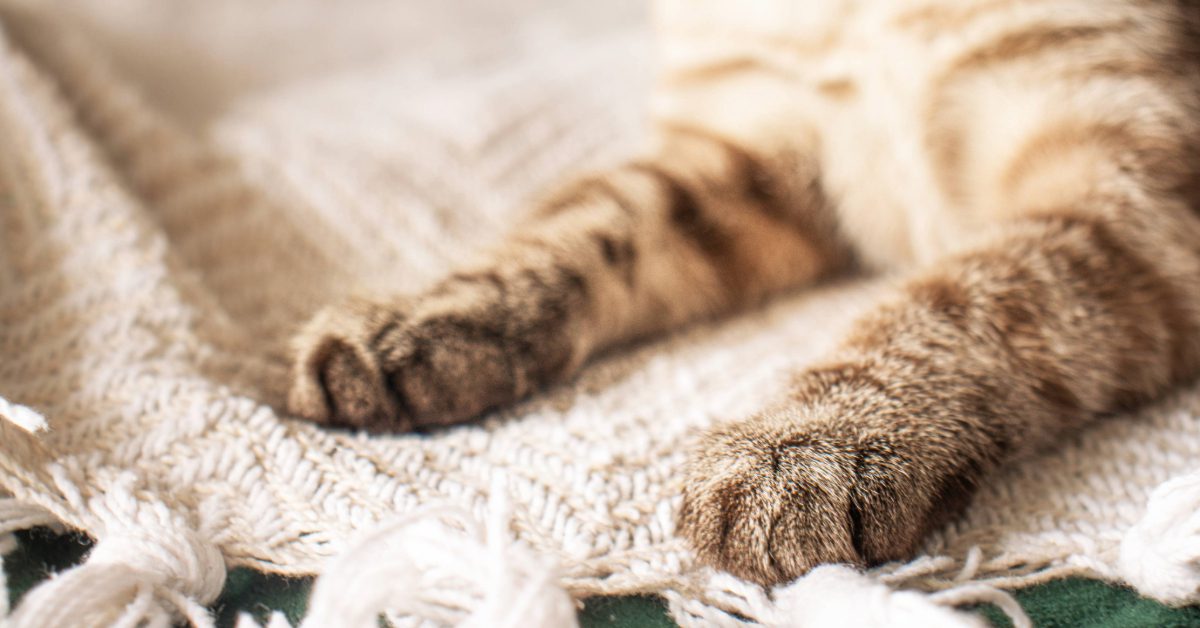
A cat’s paw contains more structure and purpose than many people realize. Each paw includes digital pads (toes), a large central pad, claws, bones, tendons, ligaments, and soft tissue that cushions every step. These pads act like natural shock absorbers and allow quiet, controlled movement when a cat stalks, jumps, or lands from high places. Nerve endings in the paw pads help cats sense texture, vibration, and temperature, which supports coordination and environmental awareness. Sweat glands in the pads also play a role in scent marking, which explains why some cats leave subtle scent cues when they scratch or knead surfaces. The claws extend from the last bone of each toe and support climbing, defense, and balance. Because so many systems come together in one paw, even minor problems can affect mobility and comfort.
Paw Pads and Their Protective Role
Paw pads protect deeper structures from impact and rough surfaces. Thick skin and fatty tissue help distribute pressure when a cat runs or lands from a jump. Pads also help regulate traction, allowing cats to move smoothly across different flooring types. When pads become dry, cracked, or injured, cats may avoid walking normally or lick the area more than usual. Changes in pad texture or color can signal irritation, infection, or underlying health concerns. Monitoring the condition of the pads gives early clues about a cat’s overall paw health. A healthy paw pad feels smooth, flexible, and free of swelling.
Claws and Toe Structure
Claws form an essential part of the cat paw and attach to the bone, not just the skin. Cats shed the outer layer of their claws naturally, which explains the small claw sheaths often found near scratching posts. Each toe contains small bones and joints that allow fine motor control and balance. Injuries to a toe or claw can cause limping, reluctance to jump, or hiding behavior. Because claws help with stability, even one damaged claw can change how a cat distributes weight. Keeping an eye on claw shape, color, and growth helps identify concerns early. Healthy claws appear smooth, curved, and free of splitting or bleeding.
Common Paw Problems in Cats
Cats encounter a range of issues that affect the cat paw, from minor irritations to more serious injuries. Paw problems often develop gradually, so subtle changes in behavior can provide the first sign. Excessive licking, favoring one paw, or hesitating before jumping may all point to discomfort. Environmental factors, activity level, and overall health status all influence paw condition. Early veterinary evaluation helps determine the cause and prevents problems from progressing. Addressing paw concerns quickly supports mobility and long-term comfort.
Cuts, Burns, and Foreign Objects
Outdoor surfaces, sharp debris, or hot pavement can injure a cat paw. Small cuts may not bleed heavily but can still cause soreness and infection risk. Burns from heated surfaces may lead to redness, blistering, or peeling of the pads. Thorns, splinters, or small objects can lodge between toes and create inflammation. Cats often lick persistently when something feels stuck or painful. Swelling, discharge, or limping signal that professional evaluation is needed. Your veterinarian can safely assess and treat these injuries.
Infections and Inflammation
Bacterial or fungal infections can develop when the skin barrier of the cat paw becomes compromised. Signs may include swelling, redness, odor, or discharge between the toes. Some cats develop a condition called pododermatitis, where paw pads appear puffy or soft. Allergies can also trigger inflammation in the paws, leading to frequent licking or chewing. Because several different conditions look similar, proper diagnosis matters. Veterinary examination helps determine the underlying cause and the appropriate treatment approach. Early care reduces discomfort and prevents complications.
Nail and Claw Disorders
Broken, overgrown, or ingrown claws can cause pain and affect how a cat walks. If a claw catches on fabric or carpeting, it may tear or split. Overgrown claws may curl toward the paw pad and cause pressure or injury. Bleeding, limping, or sudden sensitivity around a toe can indicate claw damage. Cats who avoid using a scratching post sometimes experience faster claw overgrowth. Routine veterinary exams help monitor claw health and address problems before they worsen. Healthy claw care supports normal posture and movement.
How to Care for Your Cat’s Paws at Home
Routine observation plays a major role in supporting cat paw health. Regularly checking the paws allows pet owners to spot changes before they become serious. Look at the pads, between the toes, and the claws in good lighting. Notice any swelling, debris, or unusual discharge. Keeping indoor surfaces clean and providing appropriate scratching areas helps maintain claw condition. Environmental awareness supports paw safety in both indoor and outdoor settings.
Creating a Paw-Friendly Environment
Provide stable scratching surfaces to support natural claw maintenance. Keep floors free of sharp objects and clean spills quickly to prevent irritation. During colder months, wipe paws after outdoor time to remove salt or chemicals. Monitor hot pavement in warm weather, as extreme temperatures can harm paw pads. Maintaining clean litter boxes also reduces exposure to bacteria that may affect the paws. Environmental adjustments reduce risk without requiring medical intervention. These steps support overall comfort and mobility.
Signs Your Cat’s Paw Needs Veterinary Attention
Certain symptoms indicate that a cat paw problem requires professional evaluation:
- Persistent limping, swelling, or bleeding
- Visible wounds
- Resists being touched on a paw
- Behavioral shifts such as hiding, reduced activity, or appetite changes
- Excessive licking or chewing at one spot
- Changes in nail appearance, including discoloration or cracking
Contact Veterinary Village in Plymouth Meeting, PA at (484) 820-1700 or schedule an appointment online when you notice these signs.
Tips for Keeping Your Cat’s Paws Healthy and Clean
Consistent observation and preventive care help protect the cat paw over time. Schedule routine wellness exams so a veterinarian can evaluate paw pads, claws, and mobility. Encourage healthy activity levels that maintain muscle tone and joint support. Keep litter boxes clean and filled with appropriate substrate to reduce irritation. Provide scratching options that allow natural claw shedding. Pay attention to any change in how your cat walks, jumps, or grooms. Veterinary guidance supports long-term paw health and overall comfort.
When Paw Health Impacts Your Cat’s Daily Life
A healthy cat paw supports nearly every movement your cat makes, from stretching in the morning to leaping onto a favorite perch. When paw discomfort develops, mobility, behavior, and mood often change quickly. Addressing concerns early helps protect joints, muscles, and overall quality of life. Veterinary teams evaluate the full picture, including activity level, environment, and medical history. Professional care ensures that underlying causes receive proper attention. If you notice changes in your cat’s paws or movement, call (484) 820-1700 or schedule a visit with Veterinary Village in Plymouth Meeting, PA. Prompt evaluation supports comfort, mobility, and long-term wellness.
Recent Posts
About Veterinary Village
Veterinary Village offers excellent service to clients in a comfortable, friendly atmosphere. To learn more about us and how we can better serve you and your pet here in Plymouth Meeting, PA, click the button below.
Share This Post
Recent Posts
About Veterinary Village
Veterinary Village is a network of three animal hospitals based in Atlanta, GA and the surrounding area. We offer honest, excellent service to our clients in a comfortable, friendly atmosphere. To learn more about our locations and how we can better serve you and your pet, click the button below.