Cat Drooling: Causes, Concerns & Care Tips
Cat drooling can range from a harmless, short-lived response to relaxation or stress to a sign of an underlying medical issue that needs prompt attention. While occasional drooling in cats may occur during moments of contentment or anxiety, cat drooling a lot or suddenly can indicate dental disease, toxin exposure, or systemic illness. Understanding what’s normal versus concerning helps you act quickly and confidently when your cat’s behavior changes.
What Causes Drooling in Cats?
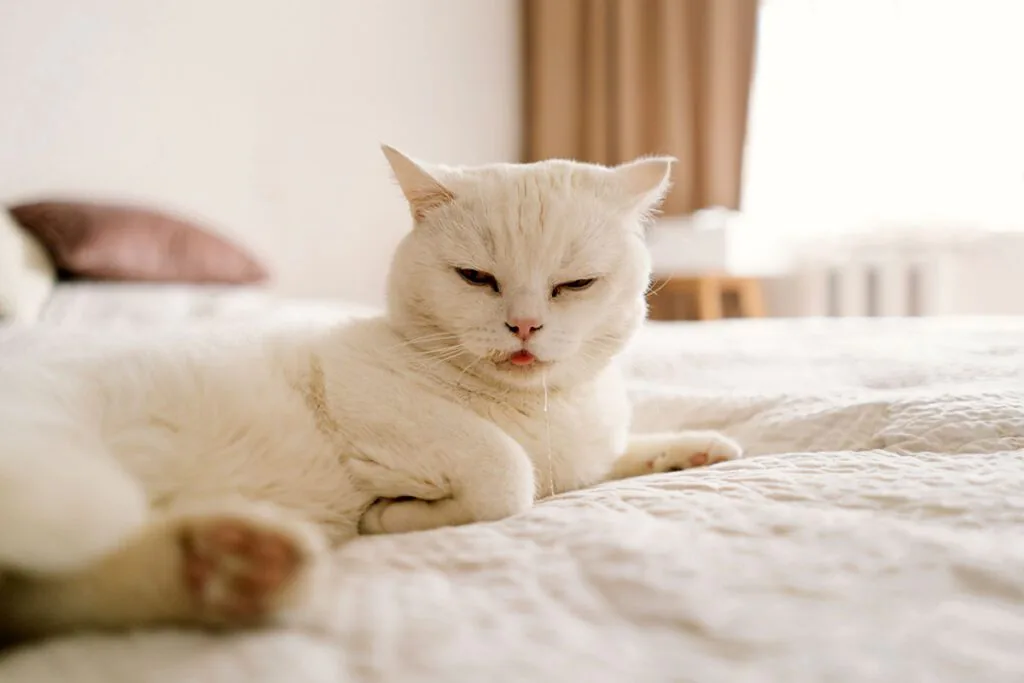
Drooling in cats occurs when excess saliva builds up and escapes from the mouth. This can happen for several reasons, ranging from behavioral triggers to more serious health concerns. In many cases, identifying the cause of cat drooling depends on the context, duration, and any additional symptoms present. A veterinarian often considers both environmental factors and medical history when evaluating drooling in cats.
Common causes of cat drooling include:
- Emotional responses: Some cats drool when they feel extremely relaxed, such as during petting or kneading. Others may drool due to stress, especially during travel, unfamiliar environments, or veterinary visits.
- Oral discomfort: Dental disease, gum inflammation, oral ulcers, or injuries often lead to drooling in cats because swallowing becomes painful or difficult.
- Nausea: Gastrointestinal upset, motion sickness, or systemic illness can trigger excessive salivation before vomiting occurs.
- Toxin exposure: Contact with certain plants, chemicals, or topical products can irritate the mouth and cause sudden cat drooling.
- Foreign objects: Something lodged in the mouth, under the tongue, or in the throat can interfere with swallowing and lead to persistent drooling.
Understanding these triggers provides a helpful starting point, but a professional evaluation helps determine the exact cause and appropriate next steps.
When Is Drooling Normal vs. Concerning?
Not all cat drooling signals a problem. Some cats naturally drool in specific situations, and this behavior can remain consistent throughout their lives. The key lies in recognizing patterns and identifying changes in frequency, amount, or accompanying symptoms. Pet owners who know their cat’s baseline behavior are often the first to notice when something feels off.
Normal Drooling in Cats
Mild drooling that occurs occasionally and resolves quickly usually does not indicate a medical concern. For example, a cat may drool while purring during a calm moment or when anticipating food. Some cats even drool during grooming sessions or when they feel especially secure in their environment.
Normal drooling often:
- Happens in predictable situations
- Stops once the trigger ends
- Does not include other symptoms
- Appears in small amounts
Concerning Signs of Cat Drooling
When drooling in cats becomes frequent, excessive, or persistent, it often points to an underlying issue that requires veterinary attention. Sudden changes deserve close monitoring, especially if your cat shows additional signs of discomfort or illness. Even subtle behavioral shifts can provide important clues.
Watch for these warning signs:
- Thick, ropey, or excessive saliva
- Pawing at the mouth or face
- Difficulty eating, chewing, or dropping food
- Bad breath or visible oral changes
- Weight loss or reduced appetite
- Lethargy or behavioral changes
Common Medical Conditions Linked to Cat Drooling
Several medical conditions can lead to persistent or severe cat drooling. These issues often involve the mouth, digestive system, or nervous system, and they require professional diagnosis and care. Identifying the underlying condition early helps guide treatment and improves outcomes.
Dental Disease and Oral Pain
Dental disease ranks as one of the most common causes of drooling in cats. Conditions such as gingivitis, periodontal disease, stomatitis, or tooth resorption can make eating painful and increase saliva production. Cats may hide discomfort well, so drooling may be one of the first visible signs. You might also notice reluctance to eat dry food or changes in chewing behavior.
Toxicity and Irritants
Exposure to toxic substances can cause immediate and noticeable cat drooling. Household cleaners, certain plants like lilies, and topical products not intended for cats can irritate the mouth or trigger systemic reactions. In these cases, drooling often appears suddenly and may accompany vomiting, tremors, or weakness. Rapid response is important in suspected toxin exposure.
Gastrointestinal Issues
Nausea often leads to hypersalivation in cats. Digestive upset, inflammatory conditions, or ingestion of something unusual can all contribute to drooling in cats. You may also notice lip licking, decreased appetite, or intermittent vomiting. These signs often occur together and can help your veterinary team narrow down the cause.
Neurological Conditions
Although less common, neurological disorders can interfere with a cat’s ability to swallow properly, leading to drooling. Conditions affecting the nerves or muscles involved in swallowing may result in saliva buildup. These cases often present with additional symptoms such as coordination issues, head tilt, or changes in vocalization.
How to Care for a Drooling Cat at Home
When you notice a cat drooling, your first step should focus on observation and minimizing potential risks. While you should avoid trying to diagnose or treat the issue yourself, you can gather helpful information and keep your cat comfortable while you prepare for a veterinary visit. Small details often make a meaningful difference during the diagnostic process.
Pay close attention to:
- When the drooling started and how often it occurs
- Any recent changes in diet, environment, or routine
- Exposure to new products, plants, or substances
- Additional symptoms such as vomiting, lethargy, or appetite changes
- Changes in grooming habits or social behavior
Keep your cat in a calm, quiet space and ensure easy access to fresh water. Monitor their eating and drinking habits closely, and avoid introducing new foods or stressors. If drooling in cats appears linked to a stressful event, reducing environmental triggers may help prevent recurrence. However, ongoing or worsening symptoms should always prompt a veterinary evaluation.
When to Seek Veterinary Care for Drooling
Recognizing when to seek professional care can make a significant difference in your cat’s health. While occasional drooling may not require immediate action, certain situations call for prompt evaluation. Acting early allows your veterinary team to identify concerns before they progress.
Contact your veterinary team if you notice:
- Sudden onset of heavy drooling
- Signs of pain when eating or drinking
- Swelling, bleeding, or visible abnormalities in the mouth
- Suspected exposure to toxins or harmful substances
- Ongoing drooling that lasts more than 24 hours
- Behavioral changes such as hiding or irritability
During your visit, your veterinarian may perform a thorough oral exam and recommend diagnostic testing if needed. These steps help identify the cause of cat drooling and guide appropriate care. Early attention supports better outcomes and helps your cat return to normal routines more comfortably.
Schedule an Evaluation at Veterinary Village
If you’ve noticed drooling in your cat that seems unusual or persistent, our team at Veterinary Village in Plymouth Meeting, PA, is here to help. We focus on identifying the cause of cat drooling and guiding you through the next steps with clarity and compassion. Your cat’s comfort and health remain our priority at every stage. Call (484) 820-1700 or request an appointment online to have your cat evaluated and get answers you can trust.
Recent Posts

About Veterinary Village
Veterinary Village offers excellent service to clients in a comfortable, friendly atmosphere. To learn more about us and how we can better serve you and your pet here in Plymouth Meeting, PA, click the button below.
Share This Post
Recent Posts
About Veterinary Village
Veterinary Village is a network of three animal hospitals based in Atlanta, GA and the surrounding area. We offer honest, excellent service to our clients in a comfortable, friendly atmosphere. To learn more about our locations and how we can better serve you and your pet, click the button below.