Dog Wash Tips: Keep Your Pup Clean & Happy
Keeping your dog clean and happy starts with a thoughtful, consistent dog wash routine that supports skin health, comfort, and overall wellness. When you approach washing your dog with the right techniques and products, you help remove dirt, allergens, and excess oils without disrupting the natural balance of their skin. A well-planned dog wash does more than improve appearance; it supports your dog’s comfort, reduces odor, and allows you to monitor for changes in skin or coat condition. Many pet owners wonder how often they should bathe their dog and whether frequent washing can cause dryness. The answer depends on your dog’s coat, activity level, and skin condition, which is why a tailored approach works best.
Benefits of Regular Dog Washes
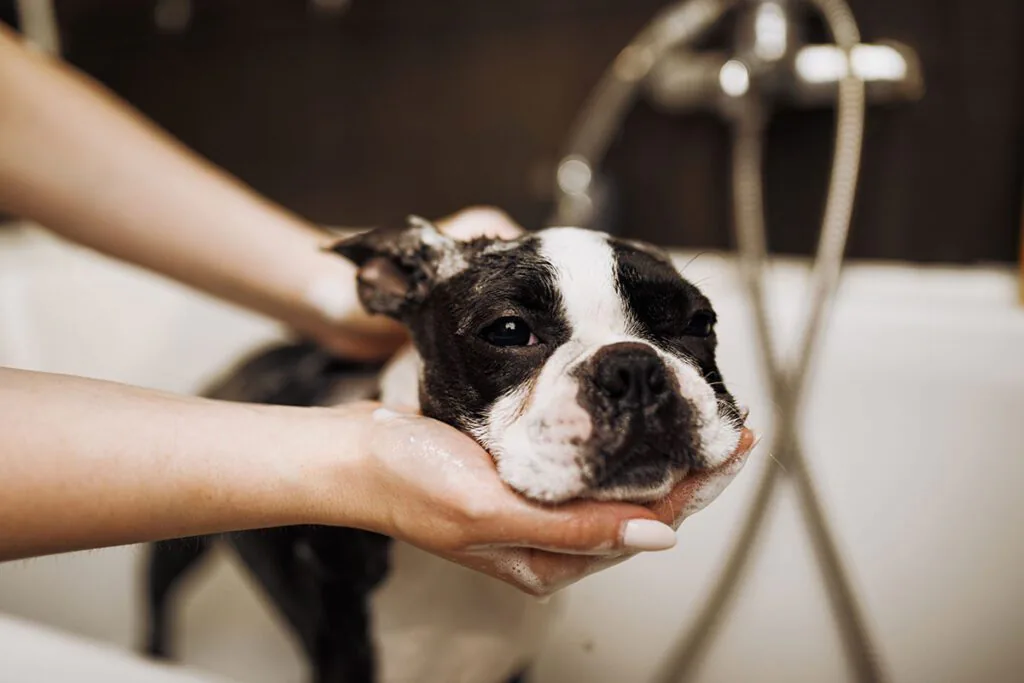
A consistent dog wash schedule offers more than a clean coat. It gives you a chance to support your dog’s health while strengthening your bond through gentle, hands-on care. Most dogs benefit from routine bathing, although frequency depends on breed, coat type, and lifestyle. Dogs that enjoy outdoor play or spend time on trails may need more frequent washings to remove debris and allergens.
Regular washing a dog can help:
- Remove environmental allergens such as pollen and dust
- Reduce odor caused by oils, debris, and bacteria
- Support healthy skin by clearing excess buildup
- Improve coat texture and shine
- Provide an opportunity to check for lumps, irritation, or parasites
Bathing also allows you to notice subtle changes early, such as dry patches, redness, or hair thinning. Early detection often leads to more effective care.
Choosing the Right Shampoo for Your Dog
Selecting the right shampoo plays a key role in effectively and safely washing your dog. Dogs have a different skin pH than humans, so using products designed specifically for dogs helps maintain skin integrity and comfort. The wrong product can lead to dryness, irritation, or dullness of the coat, especially with repeated use.
When choosing a shampoo, consider the following factors:
Skin Type and Sensitivity
Dogs with sensitive skin benefit from gentle, hypoallergenic shampoos that minimize irritation. If your dog experiences itching or redness, we can help identify appropriate options during an exam. Addressing these concerns early supports long-term skin comfort and reduces recurring issues.
Coat Type
Short-coated dogs often need simple cleansing formulas, while long- or double-coated breeds may benefit from shampoos that support detangling and coat management. Thick coats may also require additional rinsing time during a dog wash to ensure no residue remains trapped close to the skin.
Medical or Dermatologic Needs
Some dogs require specialized shampoos for specific skin concerns. In these cases, we provide guidance on appropriate products and bathing frequency to support ongoing care. A structured bathing plan can help maintain progress between visits and improve your dog’s overall comfort.
Step-by-Step Guide to Washing Your Dog at Home
Washing a dog at home can be a positive experience when you prepare in advance and follow a consistent process. Taking time to set up your space helps reduce stress for both you and your dog. Creating a calm environment before starting your dog wash can make a noticeable difference in how your dog responds.
Prepare Your Supplies
Before starting your dog wash, gather everything you need within reach:
- Dog-specific shampoo
- Towels for drying
- A non-slip mat or surface
- A cup, pitcher, or handheld sprayer
- A brush suited for your dog’s coat
Brushing your dog before the bath helps remove loose fur and prevents tangles from worsening during washing your dog. It also helps shampoo distribute more evenly through the coat.
Use Lukewarm Water
Water temperature matters. Lukewarm water keeps your dog comfortable and avoids irritating the skin. Start by gently wetting your dog’s coat from the neck down, avoiding the face and ears. Gradually introducing water can help nervous dogs feel more at ease.
Apply Shampoo Evenly
Work the shampoo into a lather, focusing on areas that collect dirt such as the paws, underbelly, and tail. Massage gently to lift debris without causing discomfort. Take your time to ensure even coverage during the dog wash so that all areas of the coat receive attention.
Rinse Thoroughly
Incomplete rinsing can leave residue that irritates the skin. Rinse until the water runs clear and no soap remains. This step is one of the most important parts of washing a dog properly, especially for dogs with dense or long coats.
Dry Your Dog Carefully
Use clean towels to remove excess water. Some dogs tolerate low-heat dryers, but many feel more comfortable with towel drying. Keep your dog warm and indoors until fully dry. A calm drying process helps reinforce positive associations with bath time.
When to Visit a Professional Dog Wash
While many pet owners manage routine dog wash tasks at home, professional grooming or veterinary care may be the better option in certain situations. Professional dog wash services offer equipment, expertise, and support that can make bathing safer and more effective. They also help address challenges that may be difficult to manage at home.
You may consider professional care if:
- Your dog has a thick or double coat that is difficult to manage
- Matting or heavy shedding requires specialized tools
- Your dog becomes highly anxious during bathing
- Skin concerns require closer evaluation
- You need support with nail trimming or ear cleaning alongside bathing
Professional care can also help maintain a consistent grooming schedule, which supports skin and coat health over time.
Tips to Make Bath Time Stress-Free
A calm environment can make a significant difference when washing your dog. Many dogs feel uncertain during baths, so your approach can help build trust and reduce anxiety over time. Small adjustments to your routine can create a more positive and predictable experience.
Create a more positive dog wash experience by:
- Introducing your dog to the bathing area gradually
- Using calm, reassuring tones throughout the process
- Offering praise and gentle encouragement
- Keeping sessions efficient to avoid prolonged stress
- Maintaining a consistent routine so your dog knows what to expect
You can also incorporate breaks if your dog becomes overwhelmed, allowing them to reset before continuing. Over time, consistent positive experiences can help your dog feel more comfortable with grooming at home.
Support Your Dog’s Health with the Right Bathing Routine
A thoughtful dog wash routine supports your dog’s comfort, cleanliness, and skin health at every stage of life. Whether you are washing your dog at home or seeking professional support, consistency and proper technique make a meaningful difference. Paying attention to your dog’s coat condition, behavior, and comfort level during each dog wash helps guide future care decisions.
If you have questions about washing a dog, choosing the right products, or managing skin concerns, our team at Veterinary Village in Plymouth Meeting, PA, is here to help. Call (484) 820-1700 or request an appointment online to discuss your dog’s care and create a bathing routine that fits their needs.
Recent Posts
About Veterinary Village
Veterinary Village offers excellent service to clients in a comfortable, friendly atmosphere. To learn more about us and how we can better serve you and your pet here in Plymouth Meeting, PA, click the button below.
Share This Post
Recent Posts
About Veterinary Village
Veterinary Village is a network of three animal hospitals based in Atlanta, GA and the surrounding area. We offer honest, excellent service to our clients in a comfortable, friendly atmosphere. To learn more about our locations and how we can better serve you and your pet, click the button below.