Cat Diarrhea: Causes, Care & When to See a Vet
Cat diarrhea can range from a short-lived digestive upset to a sign of a more serious underlying condition. If your cat has diarrhea, it often means the digestive tract is irritated or inflamed, leading to loose, watery stools. While mild cases may resolve quickly, persistent or severe diarrhea in cats requires prompt veterinary attention to identify the cause and protect your cat’s overall health.
Changes in the litter box often catch your attention right away. One day, everything looks normal, and the next, you notice softer stools, increased frequency, or even urgency. These shifts can feel concerning, especially when your cat’s behavior or appetite also changes. Understanding what may be behind cat diarrhea and knowing when to act can help you respond with confidence.
Common Causes of Cat Diarrhea
Cat diarrhea has many possible causes, and identifying the source is key to effective care. Some cases develop suddenly, while others build gradually over time. Your veterinarian will consider your cat’s age, lifestyle, diet, and medical history when narrowing down the cause.
Dietary Changes or Sensitivities
A sudden switch in food or exposure to new treats can disrupt your cat’s digestive balance. Even small changes may trigger diarrhea in cats with sensitive stomachs. Food intolerances or allergies can also lead to recurring symptoms, especially when certain proteins or ingredients cause inflammation in the gut.
Parasites and Infections
Intestinal parasites such as roundworms, hookworms, or protozoa often contribute to cat diarrhea, particularly in kittens or outdoor cats. Bacterial and viral infections can also irritate the digestive tract, leading to loose stools, dehydration, and lethargy.
Stress and Environmental Changes
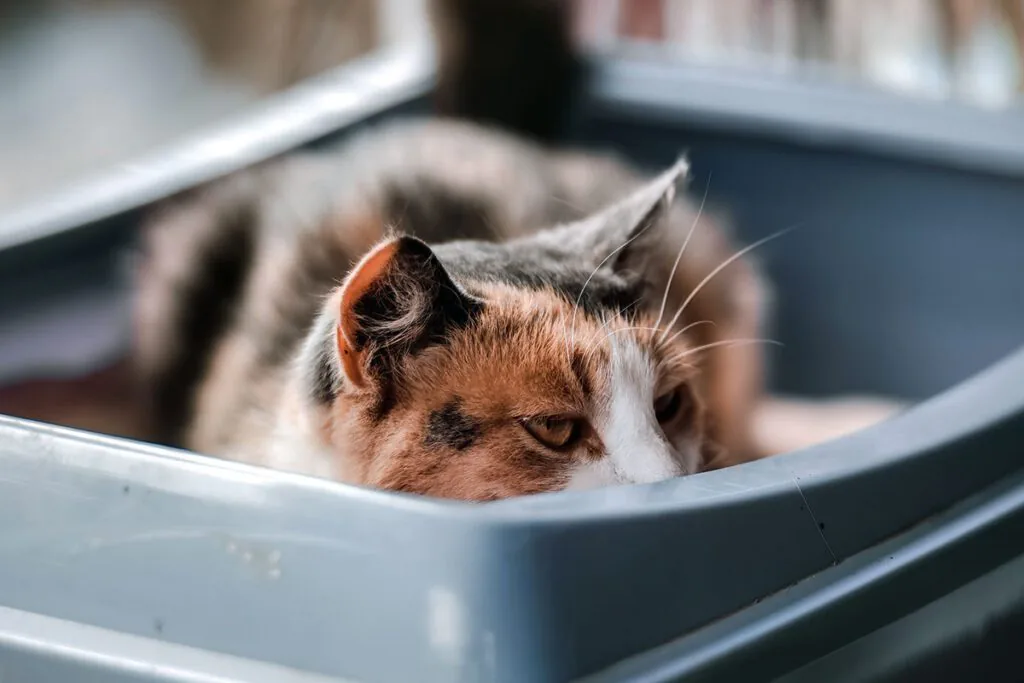
Cats respond strongly to changes in their environment. Moving, introducing a new pet, or even rearranging furniture can trigger stress-related diarrhea. In these cases, you may notice temporary digestive upset alongside behavioral changes like hiding or reduced appetite.
Chronic Conditions
Ongoing diarrhea in cats may signal underlying conditions such as inflammatory bowel disease, thyroid imbalances, or other systemic illnesses. These cases often involve additional symptoms like weight loss, vomiting, or changes in appetite.
When Is Cat Diarrhea an Emergency?
Not every case of cat diarrhea requires urgent care, but certain signs indicate a more serious issue. Recognizing these warning signs early can help prevent complications such as dehydration or nutrient loss.
Contact your veterinarian promptly if your cat has diarrhea along with any of the following:
- Blood in the stool or black, tarry feces
- Vomiting that occurs alongside diarrhea
- Signs of dehydration, such as dry gums or lethargy
- Refusal to eat or drink for more than 24 hours
- Diarrhea that lasts longer than 24-48 hours
- A very young, senior, or medically fragile cat with diarrhea
Kittens and older cats face a higher risk of rapid dehydration, so even mild symptoms can escalate quickly. If you feel unsure, it is always appropriate to seek guidance from your veterinary team.
Home Care Tips for Mild Diarrhea
Mild cases of diarrhea in cats may improve with supportive care and close monitoring. The goal is to maintain hydration and observe your cat’s overall condition while the digestive system settles.
Focus on these supportive steps:
- Ensure access to fresh, clean water at all times
- Monitor litter box habits for frequency and stool consistency
- Keep your cat in a calm, low-stress environment
- Avoid sudden diet changes during recovery
Track your cat’s appetite, energy level, and stool quality over the next 24 hours. If symptoms persist or worsen, your veterinarian should evaluate your cat promptly. Even when symptoms appear mild, consistent diarrhea can lead to dehydration and nutrient imbalances.
How Veterinarians Diagnose and Treat Diarrhea in Cats
Veterinary evaluation plays an important role when cat diarrhea continues or presents with concerning symptoms. Your veterinarian will begin with a detailed history and physical examination to assess hydration, abdominal comfort, and overall condition.
Diagnostic Testing
To determine the cause of diarrhea in cats, your veterinarian may recommend:
- Fecal testing to check for parasites or abnormal bacteria
- Blood work to evaluate organ function and systemic health
- Imaging, such as X-rays or ultrasound, to assess the digestive tract
These tools help identify underlying issues that may not be visible through symptoms alone.
Treatment Approach
Treatment depends on the underlying cause and the severity of symptoms. Your veterinarian may focus on stabilizing your cat while addressing the root issue.
Common treatment strategies include:
- Fluid support to correct dehydration
- Nutritional adjustments to support digestion
- Targeted therapies based on diagnostic findings
Early intervention often leads to better outcomes, especially when diarrhea in cats stems from infections or chronic conditions.
Preventing Future Digestive Upsets
While not all cases of cat diarrhea are preventable, you can reduce risk by supporting your cat’s digestive health and minimizing common triggers.
Consider these preventive strategies:
- Introduce dietary changes gradually over 7-10 days
- Schedule routine veterinary checkups and fecal screenings
- Keep your cat’s environment clean and stress levels low
- Limit access to unfamiliar foods or potential irritants
Consistent preventive care helps you catch subtle changes early and maintain your cat’s overall well-being.
When to Call Veterinary Village
If your cat has diarrhea that does not improve quickly or you notice concerning symptoms, our team at Veterinary Village is here to help. Early evaluation can make a meaningful difference in identifying the cause and guiding appropriate care. Call us at (484) 820-1700 or request an appointment online to have your cat evaluated by our experienced veterinary team.
Recent Posts

About Veterinary Village
Veterinary Village offers excellent service to clients in a comfortable, friendly atmosphere. To learn more about us and how we can better serve you and your pet here in Plymouth Meeting, PA, click the button below.
Share This Post
Recent Posts
About Veterinary Village
Veterinary Village is a network of three animal hospitals based in Atlanta, GA and the surrounding area. We offer honest, excellent service to our clients in a comfortable, friendly atmosphere. To learn more about our locations and how we can better serve you and your pet, click the button below.