Dog Paw Health: Care Tips & Common Concerns
Dog paw health affects how comfortably a dog walks, runs, and explores the world each day. Paw pads absorb shock, provide traction, and protect sensitive internal structures from heat, cold, and rough surfaces. When paws stay healthy, dogs move with confidence and maintain normal activity levels. When something feels off, even a small issue can change posture, behavior, and mood. Many pet owners first notice paw concerns when their dog licks, limps, or avoids certain surfaces. Learning what supports strong dog paw health helps you spot concerns early and take action with your veterinary team.

Anatomy of a Dog’s Paw: What’s Beneath the Surface
A dog’s paw looks simple from the outside, yet several specialized structures work together to support movement and stability. The digital pads cushion each toe, while the larger metacarpal and metatarsal pads act like shock absorbers during walking and running. Thick, textured skin protects underlying tissues, but nerves still make paws sensitive to temperature and pressure. Ligaments and tendons help control motion, and small bones inside the paw support balance and flexibility. The dewclaw, located higher on the leg in many dogs, also plays a role in traction during quick turns or uneven terrain. Healthy dog paw health depends on all of these components working together without pain, inflammation, or injury.
Beneath the surface, blood vessels supply oxygen and nutrients that keep tissues strong and resilient. Sweat glands in the paw pads assist with traction and temperature regulation, especially during exercise or warm weather. Hair between the toes helps protect skin but can trap debris if it becomes too long. Nails support balance and grip, and overgrown nails may shift weight in ways that strain joints and paw structures. When one part of the paw becomes irritated or damaged, the rest of the limb often compensates, which may lead to additional discomfort. Understanding paw anatomy helps explain why even minor-looking issues deserve attention.
Common Paw Issues: From Cuts to Allergies
Dogs encounter many surfaces every day, so paw problems rank among the most frequent reasons for veterinary visits. Cuts, scrapes, and punctures can occur from glass, thorns, or rough terrain. Even small wounds may become painful because paws bear weight constantly. Burns from hot pavement or icy surfaces treated with chemicals can also affect dog paw health. Seasonal temperature changes in Pennsylvania add another layer of risk, since extreme heat and winter ice both challenge the protective barrier of the pads.
Skin Irritation and Allergies
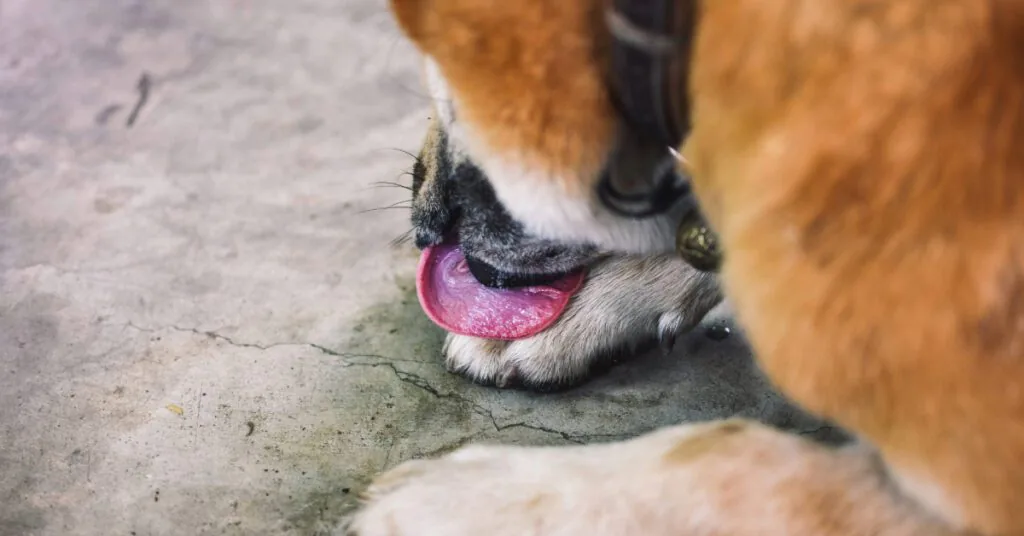
Allergies often show up in the paws before other areas. Dogs may lick or chew their feet repeatedly, which can lead to redness, swelling, and hair loss. Moist skin between the toes creates an environment where secondary infections can develop. Environmental allergens such as pollen, grass, or dust may trigger inflammation, especially during certain times of year. Food sensitivities can also present as ongoing paw irritation. When paws remain itchy, dog paw health declines quickly due to constant licking and trauma.
Nail and Nail Bed Problems
Broken nails cause sudden pain and may bleed or split into the nail bed. Overgrown nails alter how a dog distributes weight and can lead to long-term strain. Nail bed infections may produce swelling or discharge around the nail base. Some dogs resist walking when nails feel sore, and they may hide discomfort by changing their gait. Regular nail evaluations during veterinary visits help support overall dog paw health.
Foreign Objects and Interdigital Issues
Grass awns, small stones, and other debris may lodge between the toes. These objects cause localized swelling and discomfort that often leads to limping. Interdigital cysts, which appear as red, raised bumps between the toes, can also interfere with movement. While they look alarming, these lesions often connect to underlying inflammation or infection. Prompt evaluation prevents complications and helps restore comfort.
Signs Your Dog Needs Paw Care or a Vet Visit
Changes in behavior often provide the first clue that dog paw health needs attention. A dog may lick or chew one paw more than usual, especially after coming inside. Limping, favoring one leg, or hesitating to walk on certain surfaces can signal discomfort. Some dogs hold a paw up while standing or shift weight frequently. Swelling, redness, discharge, or an unusual odor around the paws also indicate a potential issue.
Subtle signs matter too. A dog that suddenly avoids stairs, jumps less, or seems reluctant to go for walks may experience paw pain. Dark staining on light fur between the toes often appears when chronic licking occurs. Cracked pads, bleeding, or visible foreign material warrant prompt veterinary assessment. Early evaluation protects dog paw health and helps prevent minor concerns from becoming more serious problems.
At-Home Paw Health: Grooming and Prevention Tips
Daily observation plays an important role in supporting dog paw health. After walks, look at each paw for debris, redness, or swelling. Keeping fur between the toes trimmed helps reduce matting and trapped moisture. Clean, dry paws create an environment less likely to support irritation. Regular nail trims maintain proper posture and reduce strain on joints and pads.
Surface awareness also supports prevention. Hot pavement can injure pads in warmer months, while icy or salted sidewalks may irritate skin in winter. Using safe walking routes and wiping paws after outdoor activity can limit exposure to environmental irritants. Routine wellness visits allow your veterinary team to assess dog paw health alongside overall mobility and comfort. If you notice changes, call (484) 820-1700 or schedule an appointment online with Veterinary Village for guidance tailored to your dog’s needs.
How We Treat Paw Injuries and Conditions at Our Clinic
When a dog arrives with a paw concern, the veterinary team begins with a thorough physical examination. We assess the paw pads, nails, skin between the toes, and overall limb function. Diagnostic tools may include skin tests, cytology, or imaging when needed to understand underlying causes. Treatment plans focus on relieving discomfort, addressing infection or inflammation, and supporting healing. Each plan reflects the dog’s age, lifestyle, and medical history.
For allergy-related paw issues, we evaluate patterns and possible triggers. For wounds or foreign objects, we clean the area and determine the safest path toward recovery. Nail injuries receive careful attention to protect sensitive tissue and prevent infection. Throughout the process, we prioritize comfort and clear communication with pet owners. Supporting long-term dog paw health involves both medical care and ongoing monitoring.
Healthy Paws Support Comfortable Movement Every Day
Strong dog paw health allows dogs to stay active, playful, and engaged with family life. When paws feel good, dogs move naturally and maintain normal posture. Regular observation, grooming, and veterinary evaluations help identify concerns early. If you notice licking, limping, swelling, or changes in how your dog walks, a veterinary visit provides clarity and support. Our team at Veterinary Village in Plymouth Meeting works with pet owners to address paw concerns and protect mobility. Call (484) 820-1700 or schedule an appointment online to keep your dog moving comfortably on healthy paws.
Recent Posts
About Veterinary Village
Veterinary Village offers excellent service to clients in a comfortable, friendly atmosphere. To learn more about us and how we can better serve you and your pet here in Plymouth Meeting, PA, click the button below.
Share This Post
Recent Posts
About Veterinary Village
Veterinary Village is a network of three animal hospitals based in Atlanta, GA and the surrounding area. We offer honest, excellent service to our clients in a comfortable, friendly atmosphere. To learn more about our locations and how we can better serve you and your pet, click the button below.