
Cat Treats: Healthy Choices Your Cat Will Love
Cats have a way of appearing the moment a treat bag rustles, eyes wide and tails high. Cat treats do more than spark excitement; they offer opportunities for training, enrichment, and positive interactions when chosen thoughtfully. The right treats support healthy routines, reinforce good behavior, and add variety to a cat’s day without disrupting balanced nutrition. Pet owners often ask which treats are actually good for cats and how many are appropriate. This guide breaks down what makes treats a smart addition to your cat’s routine and how to choose options that align with long-term wellness. If questions come up about your individual cat’s diet, the team at Veterinary Village in Plymouth Meeting can help you evaluate choices during a visit.

Choosing Healthy Cat Treats: What to Look For
Cat treats vary widely in quality, purpose, and nutritional value, so reading labels matters. Look for treats that list a named animal protein, such as chicken or salmon, among the first ingredients. Cats are obligate carnivores, so protein-rich treats align better with their natural dietary needs. Texture also plays a role, since crunchy treats may support dental routines while soft treats can appeal to picky eaters or senior cats. Portion size should remain small, since treats supplement meals rather than replace them. Many healthy cat treats also limit fillers and artificial additives, which helps maintain digestive comfort. Pet owners who focus on ingredient transparency often find it easier to make informed decisions.
Calorie content deserves attention because treats add up quickly. Even a few extra calories each day can influence weight over time, especially in indoor cats with lower activity levels. Some brands clearly list calories per treat, which helps with portion control. Functional treats marketed for specific benefits, such as hairball support or calming effects, exist, but pet owners should still view them as treats rather than primary solutions. Packaging that provides feeding guidelines based on weight can offer helpful structure. If you feel unsure about product claims or serving sizes, discussing options during a wellness visit provides personalized guidance.
Reading Ingredient Labels
Ingredient lists appear in descending order by weight, so the first few ingredients matter most. High-quality cat treats often highlight real meat rather than vague terms like “meat by-products.” Shorter ingredient lists may signal simpler formulations, which can appeal to pet owners seeking fewer additives. Artificial colors and strong flavor enhancers often add appeal for humans but offer little benefit for cats. Grain-free labels appear frequently, yet the overall nutrient profile matters more than any single marketing phrase. Paying attention to guaranteed analysis panels also helps you compare protein and fat levels between products. A few extra minutes at the store can lead to better everyday choices.
Homemade vs. Store-Bought Cat Treats
The question “Are homemade cat treats better than store-bought?” comes up often. Store-bought treats offer convenience, consistent formulation, and clear labeling, which many pet owners appreciate. Manufacturers design commercial treats with specific textures, shelf stability, and portion sizes in mind. This consistency makes it easier to track how many treats your cat receives each day. Commercial options also come in a wide range of flavors and formats, from freeze-dried pieces to dental-style treats. For busy households, ready-to-serve treats often fit more easily into daily routines.
Homemade options may seem appealing because they offer control over ingredients, yet they also require careful planning. Without professional formulation, it can be difficult to balance nutrients appropriately. Treats that seem simple may still contain ingredients that do not align well with feline dietary needs. Food safety also plays a role, since preparation and storage affect freshness. Because of these variables, many pet owners choose reputable commercial brands and use them in moderation. If you want input on treat choices, a conversation with your veterinary team adds clarity.
When Convenience Matters
Consistency supports healthy habits. Pre-portioned treats help pet owners avoid overfeeding. Packaging often includes resealable features that maintain freshness. Busy mornings and evenings feel easier when treats are ready to use. This practicality supports regular training and enrichment without extra prep time. Convenience often translates into more consistent routines.
Benefits of Treats for Training and Bonding
Cat treats serve as powerful tools for positive reinforcement. When a cat receives a small reward for a desired behavior, such as entering a carrier calmly, that experience becomes more positive. This approach builds trust and reduces stress during handling. Treat-based training also encourages mental stimulation, which indoor cats especially benefit from. Short training sessions that involve simple cues, like coming when called, provide both enrichment and structure. Cats often respond well to food rewards because treats tap into natural motivation. These interactions strengthen the relationship between cats and their caregivers.
Using Treats to Reinforce Positive Behavior
Offering a treat immediately after a desired action helps a cat connect the behavior with the reward. This consistency supports learning and builds confidence during new or unfamiliar experiences. Carrier training, grooming sessions, and cooperative handling all become easier when cats associate these moments with something enjoyable. Small, frequent successes encourage participation without overwhelming the cat. Over time, this method reduces resistance and stress. Treats become a communication tool that supports clearer expectations.
Strengthening the Human–Cat Bond
Treats also play a role in bonding during quiet moments. Offering a treat during grooming or nail trim sessions can create positive associations. Cats who link human touch with rewards often show greater tolerance over time. Calm, predictable interactions help cats feel secure. These shared experiences deepen trust and encourage more relaxed handling. Thoughtful treat use turns routine interactions into meaningful connection points.
Supporting Mental Enrichment Through Food Rewards
Puzzle toys that dispense treats extend mealtime into an engaging activity. This type of enrichment supports natural hunting behaviors and reduces boredom. Interactive play that includes food rewards gives cats an outlet for energy and curiosity. Rotating treat types or toys can maintain interest. Short enrichment sessions keep stimulation positive rather than overwhelming. Using treats in this way supports both emotional well-being and daily activity needs.
Encouraging Exploration and Activity
Interactive toys that release cat treats encourage movement and problem-solving. Treats placed in different areas of the home promote exploration. These activities break up long stretches of inactivity, which benefits indoor cats especially. Variety keeps routines interesting and mentally stimulating. Structured treat-based activities offer both physical and cognitive engagement. Enrichment supports overall behavioral health and quality of life.
Ingredients to Avoid in Cat Treats
Not all treats support the same standards. Some products include high levels of simple carbohydrates, which do not match a cat’s natural dietary pattern. Excess sugar or syrup may increase palatability but adds unnecessary calories. Artificial colors may make treats look appealing to people but offer no nutritional value for cats. Strong chemical preservatives can appear in lower-quality products. Excess salt can also show up in some formulations, which pet owners should note. Reading labels helps reduce exposure to these ingredients.
Allergies and sensitivities also matter. Cats with known food sensitivities may react to certain proteins or additives. Treats with multiple protein sources can make it harder to identify triggers. Single-protein options sometimes offer a simpler alternative. Pet owners should watch for any digestive upset or skin changes after introducing a new treat. Sharing those observations during a veterinary visit helps guide future choices.
Watch for Marketing Buzzwords
Front-of-package claims may not tell the whole story. Words like “natural” do not always have strict definitions. Images of fresh ingredients may not reflect actual proportions. Focusing on the full ingredient list provides more reliable information. Guaranteed analysis panels offer measurable data. Informed choices come from reading beyond the headline.
How to Use Treats in a Balanced Diet
Treats should make up only a small percentage of daily calorie intake. Many professionals suggest limiting treats to about ten percent of daily calories, though individual needs vary. This approach allows treats to remain special without overshadowing complete meals. Measuring regular food portions helps offset treat calories. Consistent routines make portion control easier. Cats thrive on predictable feeding patterns.
Knowing When to Use Them
Treat timing also matters. Using treats during training sessions or enrichment activities adds purpose. Random, frequent treat-giving can blur boundaries and increase calorie intake. Offering treats after positive behaviors reinforces good habits. Keeping treats in a designated container supports mindful use. Structured treat routines fit smoothly into overall nutrition plans.
Monitoring Weight and Body Condition
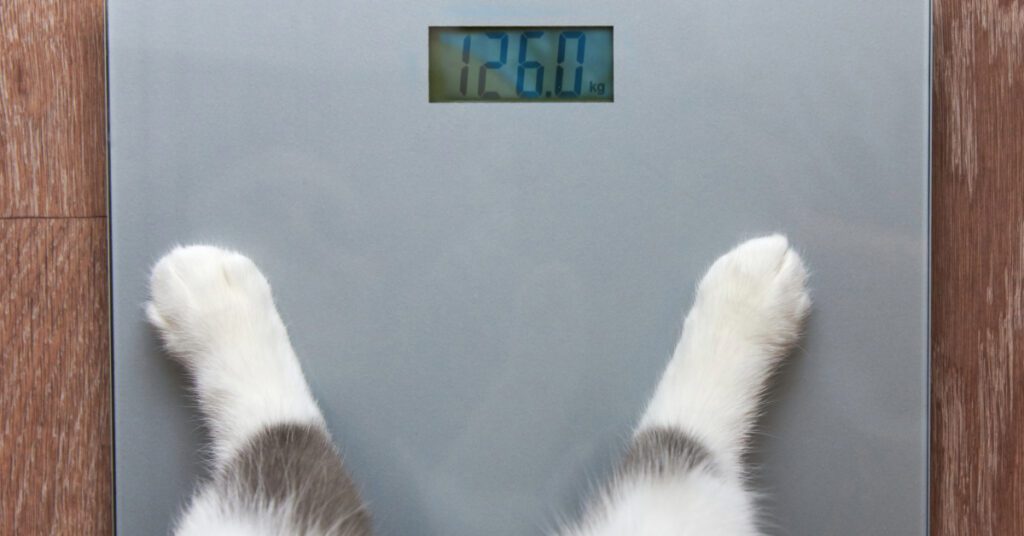
Regular weigh-ins provide useful feedback. Subtle weight changes may occur gradually. Body condition scoring helps assess overall shape and muscle coverage. Treat adjustments may be needed if weight trends shift. Veterinary visits offer opportunities to review diet. Ongoing monitoring supports long-term health.
Smart Treat Habits for Lifelong Feline Wellness
Cat treats can enhance training, enrichment, and bonding when used with intention. High-quality ingredients, portion awareness, and thoughtful timing all shape how treats fit into daily life. Pet owners who view treats as supplements rather than meal replacements often find the best balance. Questions about specific products or your cat’s nutritional needs deserve professional input. The team at Veterinary Village in Plymouth Meeting can review your cat’s diet and help you make informed decisions. Call (484) 820-1700 or schedule an appointment online to discuss your cat’s nutrition and treat choices during a visit.
Recent Posts


About Veterinary Village
Veterinary Village offers excellent service to clients in a comfortable, friendly atmosphere. To learn more about us and how we can better serve you and your pet here in Plymouth Meeting, PA, click the button below.
Share This Post
Recent Posts
About Veterinary Village
Veterinary Village is a network of three animal hospitals based in Atlanta, GA and the surrounding area. We offer honest, excellent service to our clients in a comfortable, friendly atmosphere. To learn more about our locations and how we can better serve you and your pet, click the button below.