Best Food for Puppies
The best food for puppies is a diet specifically formulated for growth, one that’s labeled “complete and balanced for puppies” or “all life stages” by AAFCO, with appropriate levels of protein, fat, calcium, and DHA to support healthy development. Choosing the best food for puppies can feel overwhelming with so many brands and formulas on the shelf, but our team at Veterinary Village in Plymouth Meeting is here to break down exactly what to look for.
Puppyhood is a short but critical window for growth, and what your puppy eats during this stage has a lasting impact on their bones, joints, immune system, and overall health. Finding the best food for puppies means understanding your puppy’s specific needs, not just picking whatever bag looks appealing at the store.
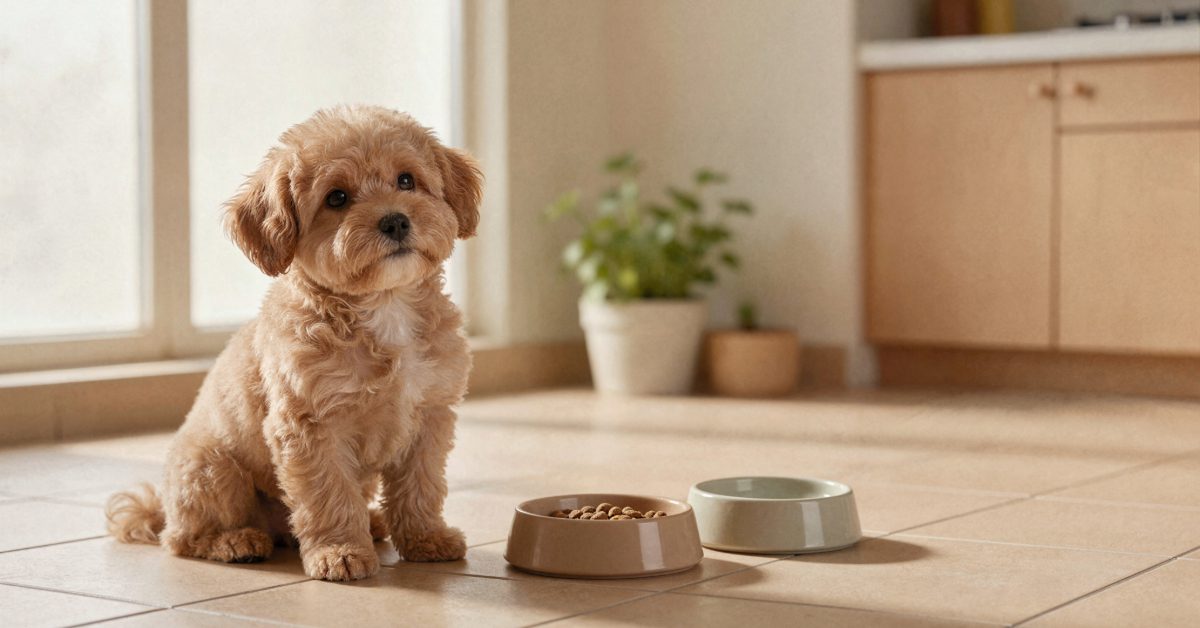
What Makes a Food the Best Choice for Puppies?
The best puppy food supports rapid growth without overloading young, developing joints and bones. That means looking closely at nutrient ratios rather than just marketing claims on the packaging.
Key Nutrients to Look For
- Higher protein levels to support muscle and tissue growth
- Controlled calcium and phosphorus ratios, especially for large-breed puppies
- DHA to support brain and eye development
- Adequate fat content for energy without excessive weight gain
How Can You Tell a Food Is Actually Formulated for Puppies?
The clearest way to confirm a food qualifies as a genuine puppy formula is to check the AAFCO statement on the label, which should specify that the food is formulated for growth or all life stages. Marketing language like “puppy formula” printed on the front of the bag isn’t regulated the same way, so the nutritional adequacy statement is the most reliable detail to check before deciding a product is truly the best food for puppies at a given life stage.
How Do You Choose the Best Puppy Food for Your Dog’s Size?
Not every puppy has the same nutritional needs, and size plays a major role in identifying the best food for puppies of a given breed.
Small and Medium Breed Puppies
Smaller breeds typically grow faster relative to their adult size and may benefit from calorie-dense formulas designed for smaller kibble sizes and quicker growth timelines. Because small-breed puppies reach maturity sooner, their nutritional window for growth-specific food is often shorter than that of larger breeds.
Large and Giant Breed Puppies
Large-breed puppies need carefully controlled calcium and phosphorus levels to support slower, steadier bone growth. Feeding an inappropriate formula to a large-breed puppy can contribute to developmental orthopedic issues later in life, which is why breed-specific large-breed puppy formulas exist. These formulas are intentionally designed to slow the rate of growth slightly, reducing stress on developing joints during the months when large-breed puppies gain weight the fastest.
Do Mixed-Breed Puppies Need a Special Formula?
For mixed-breed puppies, estimating adult size is the most useful guide. If your puppy’s expected adult weight falls in the large or giant range, a large-breed puppy formula is generally the safer choice, even if their current breed mix is uncertain. Veterinary Village can help estimate growth trajectory based on age, current weight, and breed characteristics if you’re unsure which category your puppy falls into.
Is Wet Food or Dry Food Better for Puppies?
Both wet and dry puppy food can support healthy growth as long as the formula is labeled appropriately for puppies. Some owners choose a mix of both to encourage hydration and variety, while others stick to a single format for consistency. What matters most is that whichever option you choose meets AAFCO puppy growth standards. Below are benefits of both:
- Dry food supports dental health through chewing action
- Wet food can be helpful for puppies with smaller appetites
- A mix of both can ease the transition between life stages
How Often Should You Feed a Puppy?
Feeding frequency changes as puppies grow. Younger puppies typically need three to four meals a day, while older puppies can transition to two meals daily. Following the feeding guidelines on your specific puppy food formula, and adjusting based on your veterinarian’s recommendations, helps prevent both undereating and overfeeding during this fast-growing stage.
How Do You Read a Puppy Food Feeding Chart?
Feeding charts on puppy food packaging are typically organized by current weight and age range, offering a starting point rather than an exact prescription. Since every puppy grows at a slightly different pace, it’s worth checking in with your veterinarian periodically to confirm the amount you’re feeding still matches your puppy’s growth curve and body condition.
When Should You Switch to Adult Dog Food?
Most puppies can transition to adult food once they reach adult size, which varies significantly by breed. Small breeds may be ready around nine to twelve months, while large and giant breeds may not finish growing until 18 to 24 months. Your veterinarian can help you determine the right timeline based on your puppy’s growth and breed.
What Ingredients Should the Best Puppy Food Avoid?
While there’s no single “bad” ingredient list that applies to every puppy, the best puppy food formulas are generally built around whole protein sources and avoid excessive fillers. Here’s what to avoid:
- Vague ingredient terms like generic “meat meal”
- Excessive artificial colors or preservatives
- Formulas not labeled for growth or all life stages
Should You Choose Grain-Free Puppy Food?
Grain-free diets have become popular, but grain-free isn’t automatically the best food for puppies. In fact, current veterinary research has raised concerns about certain grain-free formulas and their potential link to heart issues in dogs. Unless your puppy has a diagnosed grain allergy, a balanced formula containing whole grains is often a solid, well-researched choice. This is a conversation worth having directly with your veterinarian before making dietary changes.
Do Puppies Need Supplements in Addition to Food?
If you’re feeding a complete and balanced puppy formula, additional supplements typically aren’t necessary and can sometimes throw off the careful nutrient ratios already built into the food. Adding calcium supplements on top of a balanced diet, for example, can actually be harmful to a growing puppy’s bone development. It’s best to discuss any supplement questions with your veterinarian before adding anything to your puppy’s diet.
How Should You Transition Your Puppy to a New Food?
Even after finding what seems like the best food for puppies of your dog’s breed and size, switching foods too quickly can cause digestive upset. A gradual transition over seven to ten days, slowly increasing the proportion of new food while decreasing the old, gives your puppy’s digestive system time to adjust. The best next steps include:
- Start with roughly 25% new food mixed with 75% current food
- Gradually shift the ratio every two to three days
- Watch for any signs of digestive upset along the way
How Can You Tell If Your Puppy’s Food Is Working Well?
A good sign that you’ve found the best food for puppies for your dog is steady, appropriate weight gain, a shiny coat, good energy levels, and normal stool consistency. If you notice digestive upset, excessive weight gain, or a dull coat, it may be worth reassessing the current formula with guidance from your veterinarian.
Finding the Right Fit for Your Puppy’s First Year
Choosing the best food for puppies isn’t about finding a single universally “best” brand, it’s about matching the right formula to your puppy’s breed, size, and individual needs. Our team at Veterinary Village in Plymouth Meeting is happy to help you evaluate your puppy’s current diet and make personalized recommendations during your next wellness visit, so your puppy gets exactly what they need during this important stage of growth. Call us at (484) 820-1700 or schedule an appointment online.
Recent Posts


About Veterinary Village
Veterinary Village offers excellent service to clients in a comfortable, friendly atmosphere. To learn more about us and how we can better serve you and your pet here in Plymouth Meeting, PA, click the button below.
Share This Post
Recent Posts
About Veterinary Village
Veterinary Village is a network of three animal hospitals based in Atlanta, GA and the surrounding area. We offer honest, excellent service to our clients in a comfortable, friendly atmosphere. To learn more about our locations and how we can better serve you and your pet, click the button below.